


Selective breeding, characteristics, animals, pets, plants, artifical selection, variation.


We choose to shape the way our animals, particularly our pets, into a mould that sometimes doesn't fit, or isn't right. Just take a look at dogs from over 100 years ago, and then look at the same breed today, and you will notice a stark difference between them. But why do we do this?
Ultimately, it is looking at characteristics and traits of a specific animal (let's say a Labrador dog), and mixing it with another (A Poodle), to make something else (a Labradoodle). For thousands of years humans have been doing this process with something - animals, plants, pets, and more. If we like a specific trait or characteristic of a plant, for example, we will change other plants to do the same.
As it has happened for thousands of years, along with GMO (genetically modified organisms), we really don't know what is and isn't genetically modified anymore.


Charles Darwin wrote about selective breeding in his 1859 book, On the Origin of Species. It specifies how selective breeding has been successful in producing change over a period of time, like his famous finch drawings show.
For well over 10,000 years, we have worked on creating the best varieties of crops, for food and manufacturing purposes. There are many reasons why we use selectibe breeeding. Some examples below include:
Equally, it's not just plants we do this to. We have figured out ways to do it with animals, most notably dogs. There are now over 340 recognised dog breeds, most of which have been created by interspecific sexual relations. Ideal characteristics for animals may include:
These processes do not happen overnight though, and it can take generations for the changes to be made.


There are of course both advantages and disadvantages of selective breeding. Here are some examples of advantages:
New varieties: indeed, new varieties (in agriculture, livestock and domestic animals), means that they may be better in providing food, whether in terms of amount, or better quality.
Unable to Harm: developing an animal that could harm originally, without those characterstics, might be advantageous, as it means the animal might not hurt you.
Better looks: again, from a social aspect, a good-looking animal will please you and others around you in your social circles.
Equally, there are disadvantages to selective breeding as well:
Disease: while selective breeding can reduce the amount of disease that a plant or animal can acquire, it opens up the attack of a specific virus or other infection, like a superbug, for example.
Physical issues: you might want the perfect shape dog, but what about the physical aspect of the original form of the dog; just take a look at pictures of a Pug from over 100 years ago, and compare it to one today, and you'll see what I mean.
Confused characteristics: while selecting certain characteristics, you could end up with a genetic pool that includes rare genes that could hinder the animal or plant in question in some way.
The following still is from a video on DNA, with the following details:
Please click on the image to view the video.


There are many social, ethical and economical issues with selective breeding, including the fact that it can be quite expensive to actually do. Money is put into research into exploring the ways in which a plant reacts to certain traits. This can be expensive, but for plants, it can be a massive advantage as it enables us to make perfect plants to sell or use as crops. Economically, it just makes sense, however this is not the views of some people.
Ethically, a lot of people think it could be wrong, as it means we are playing God amongst the animals and plants we change. It can also mean that other issues like animal welfare, potential health issues and things like biodiversity loss are affected. For the animals involved, it can often mean a detriment to their wellbeing, as the animals are then prioritised in favour of humans.
Equally and socially, the selective breeding means that animal welfare is at stake, but also there can be a loss of genetic diversity (basically lowering the genetic pool), and health problems in bred organisms.
Choose three characteristics to make a plant.
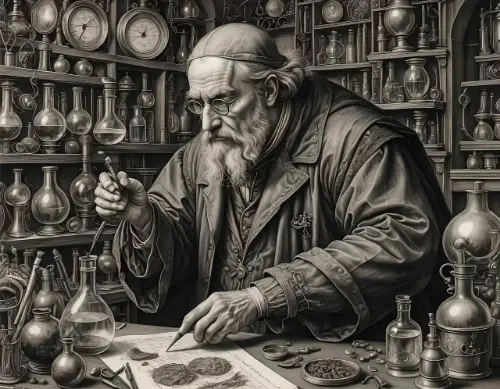

Charles Darwin was a naturist that made us understand the evolution and origin of species.


